
Views: 24
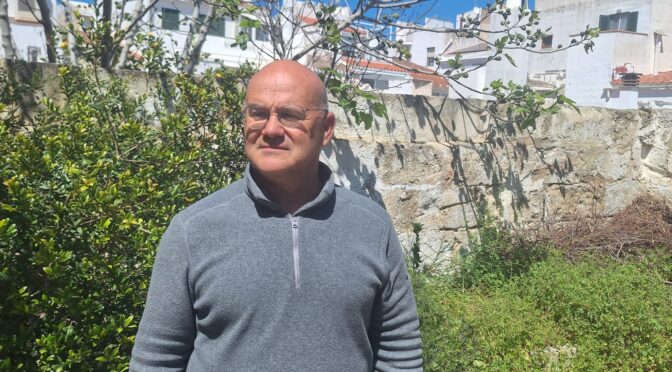
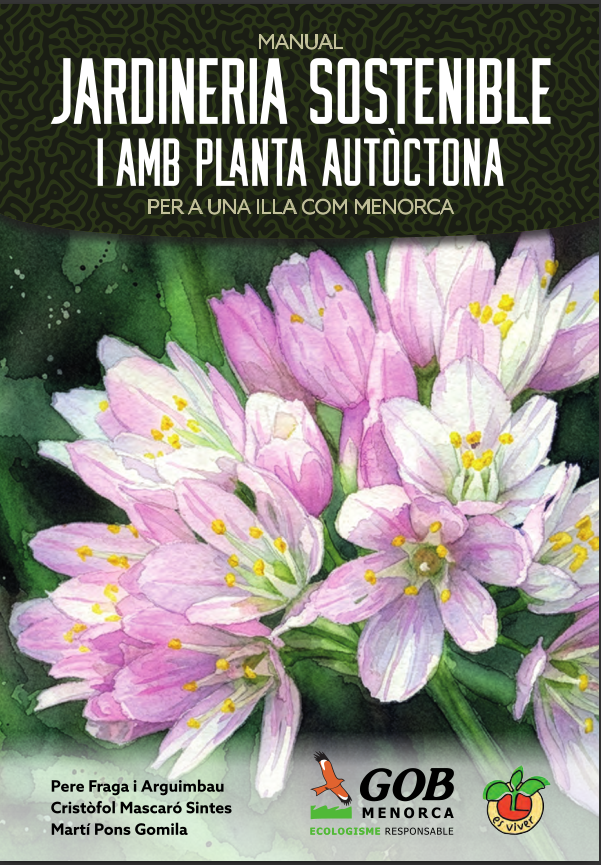
We speak with Pere Fraga i Arguimbau, botanist and expert in the flora of Menorca. Fraga is one of the co-authors of the Manual de jardineria sostenible i amb planta autòctona, per a una illa com Menorca (Sustainable Gardening and Native Plants Manual for an island such as Menorca), the latest publication by GOB Menorca, recently presented in Maó, Ferreries, and Ciutadella, and one of the organization’s highlighted new releases this Sant Jordi. We take this opportunity to talk about the manual and to ask him for some basic recommendations on how to apply the principles of sustainable gardening to home gardens and terraces.
 Why is this manual necessary now in Menorca?
Because creating sustainable and resilient spaces is urgent. In the current context of climate change and mass tourism, fewer well-designed gardens are being created in Menorca than ever before. That is why it is more important than ever for gardens to be properly designed and to incorporate sustainability: avoiding unnecessary resource use, preventing the introduction of invasive plants, and prioritizing native species.
What is the most common mistake we make when creating gardens?
The most common mistake is bringing in soil from elsewhere and altering the original soil. Plants then need time to adapt to this new soil, which greatly limits the types of plants that can be used. Whenever possible, working with the native soil of the plot would reduce problems such as weeds and other consequences derived from using imported soil.
What is really at stake when choosing between native and exotic plants?
Native plants are better adapted, establish themselves more easily, and require fewer resources. While they may not always have the same ornamental qualities as exotic plants, functionally they can fulfill many of the same roles. Many exotic species used in gardens are invasive, even when there are perfectly valid native alternatives.
How much water can be saved with a Mediterranean-adapted garden?
A great deal. Studies in California show that by significantly reducing lawns, water savings of between 60% and 80% can be achieved. A conventional lawn with sprinklers can easily consume between 800 and 2,000 liters per irrigation.
The manual recovers traditional knowledge. What can we learn from the past?
In the past, sustainability was not a concept because it was not necessary. However, limited resources meant that people had to be sustainable by necessity. Many valuable forms of knowledge related to soil, plants and water management have been lost over time.
Is the book only for professionals?
No. The book is a broad reflection on sustainable gardening. It provides foundational knowledge so that anyone can rethink their garden, terrace or potted plants. It is designed specifically for Menorca.
 A native plant you would recommend to start a sustainable garden?
There are many: chamomile, rosemary, rock carnation, mastic tree or buckthorn. They are functional, resilient and well adapted to the local environment.
What small action can anyone take today?
Think in Mediterranean terms rather than importing a central European gardening model. Our surrounding landscape is the best school of gardening. Anything you can learn from natural spaces and adapt to your own garden will always be a positive step toward sustainability.
The Manual de jardineria sostenible i amb planta autòctona, per a una illa com Menorca combines traditional knowledge with modern techniques to help design, maintain and manage gardens adapted to the territory, minimizing resource use and promoting native plant species. It is a useful tool for both professionals and amateurs who wish to transform their green spaces into more sustainable and environmentally respectful gardens.