
Views: 24
One hundred thousand years ago, life must have been very different from today. Humans at that time were still a gathering species and moved nomadically across the land.
Without a fixed place to live and without the entertainment we have now, we can assume that our ancestors spent a great deal of time observing nature. They were familiar with the movement of the stars, the signs that marked atmospheric changes, and the annual cycles of life.
They surely noticed ants, the different tasks they perform and the way they organize colonies of thousands or hundreds of thousands of individuals. Furthermore, they likely discovered that ants cultivate fungi, which they nourish with food.
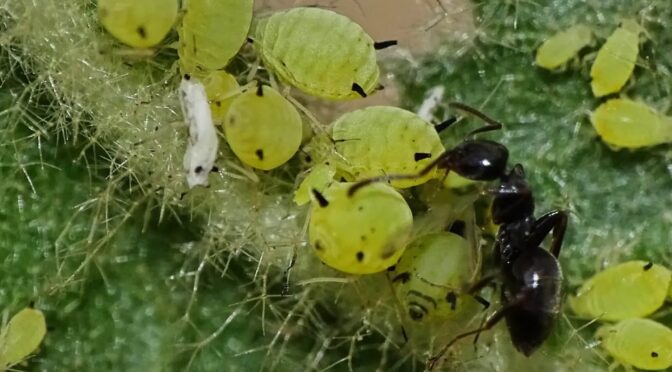
They may also have observed that ants keep herds of other animals, such as aphids that suck plants and produce a sweet liquid that ants highly value. Ants move them from one plant to another and protect them from natural predators.
They may have realized that ants know how to build large anthills where temperature and humidity are skilfully controlled. They might even have seen that some species have surgeon individuals, which cleanly amputate injured areas after hunts or battles with neighbouring colonies.
Likewise, they likely saw winged individuals leaving to conquer other places. And they must have been astonished to see ants organizing themselves to form bridges with their own bodies, to move from one plant to another or to overcome water obstacles.
Yes, ants are small animals that we now tend to consider insignificant. Some people despise them or see them as a pest. The truth is that they display truly astonishing systems of organization. When they need to react collectively to face a necessity or a threat, they mobilize very effectively without anyone giving orders.
Indeed, when a collective response is needed, it is not decided by the queen nor by the strongest soldiers. Some workers detect the situation and consensus is quickly generated about the best response. Perhaps they have accumulated great wisdom, considering that they are estimated to have inhabited the Earth for more than 100 million years.
Then they set into motion, without the need for major roads. Hundreds of individuals move at optimal speed without causing any congestion. Each small animal moves six legs sideways without bumping into others. Without a Minister of Mobility or traffic lights.
For these and other reasons, even today, scientists study ants to inspire technological solutions and artificial intelligence. Thousands of centuries after the first humans, ants continue to be a source of inspiration.
Perhaps it is worth paying attention to the reflection that has recently been taking place in Menorca and to the mobilizations symbolized by ants. The complaints and proposals that are emerging are not a rejection of the economy nor a utopian dream.
Menorca has shown on other occasions its ability to control excesses, and it has not gone badly for us. It is time to organize and get moving. It must be clear that ensuring the people of Menorca do not lose space, housing, water and dignity is not looking backward. In the times we live in, it is innovation.
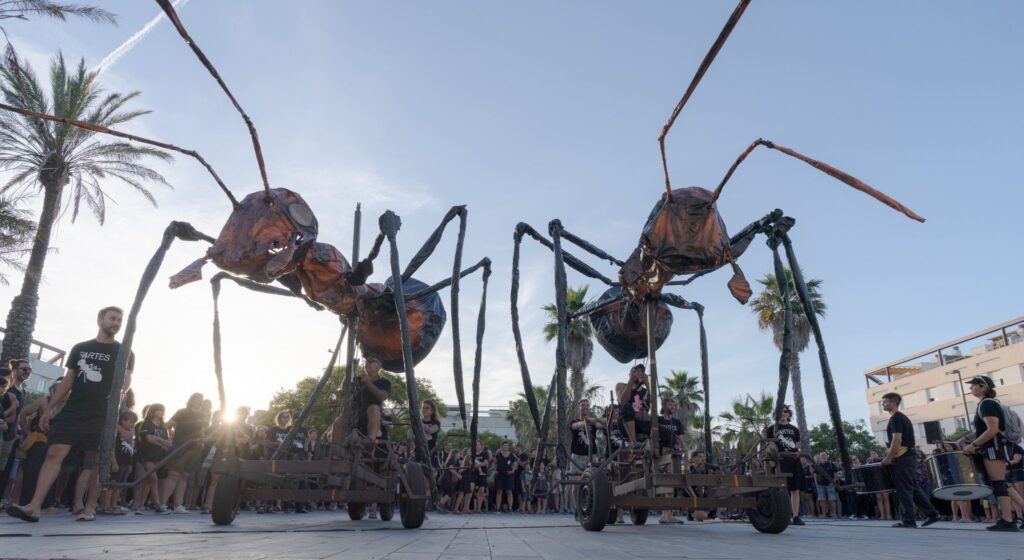
(This text is an adaptation of the original article published by Miquel Camps, as coordinator of territorial policy for the GOB, in the Menorca newspaper on 22/06/2026).